
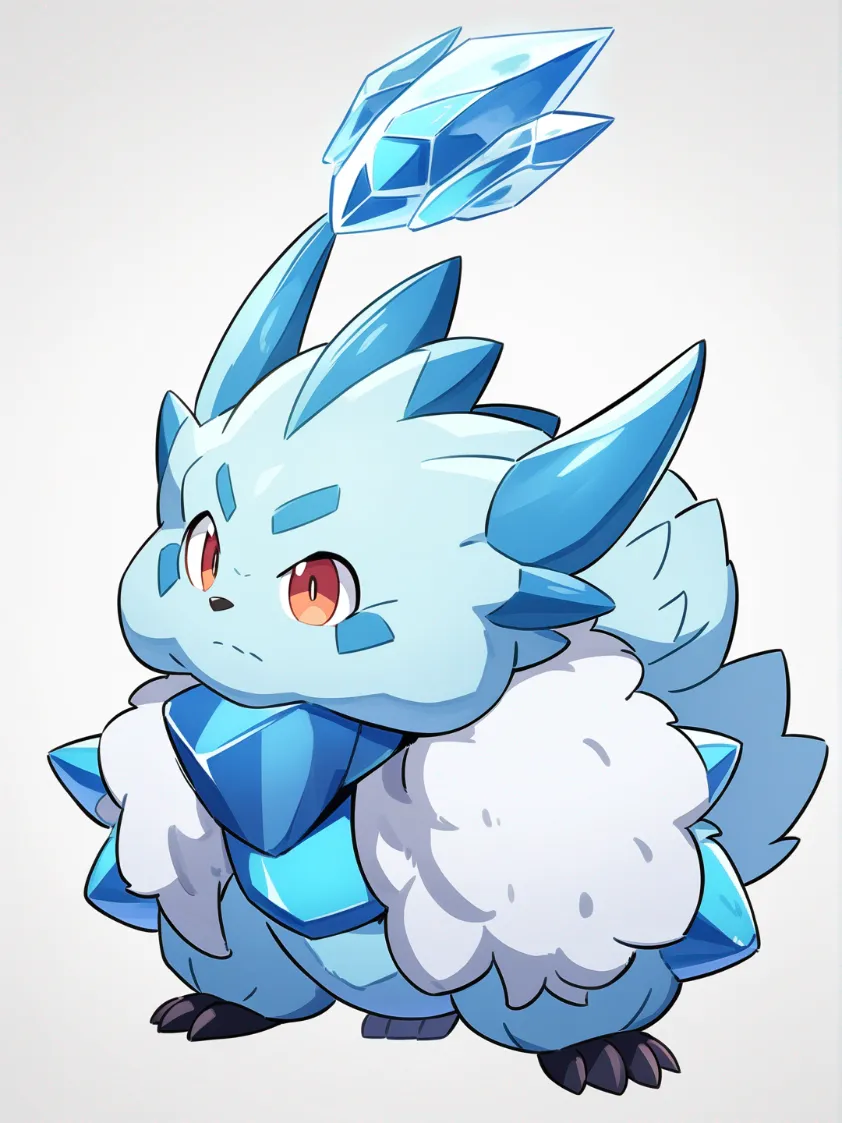
Design Better Original Pokemon Concepts
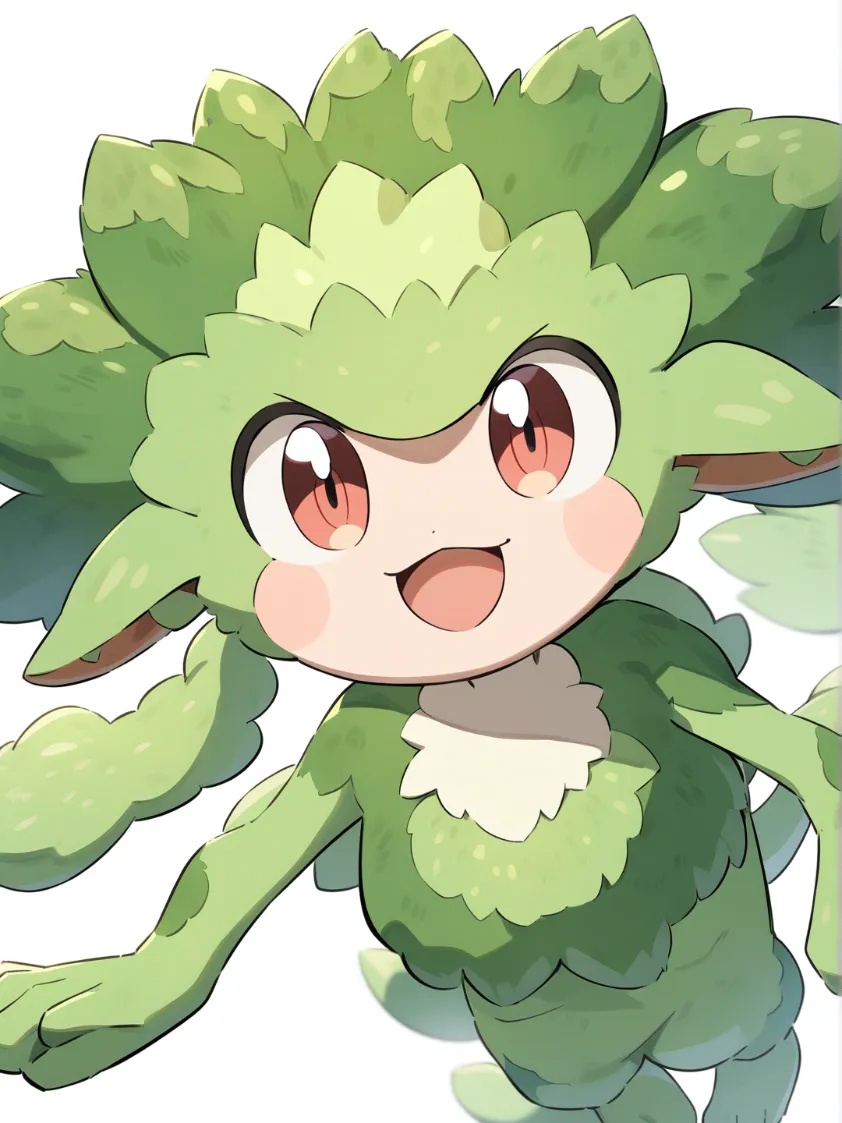
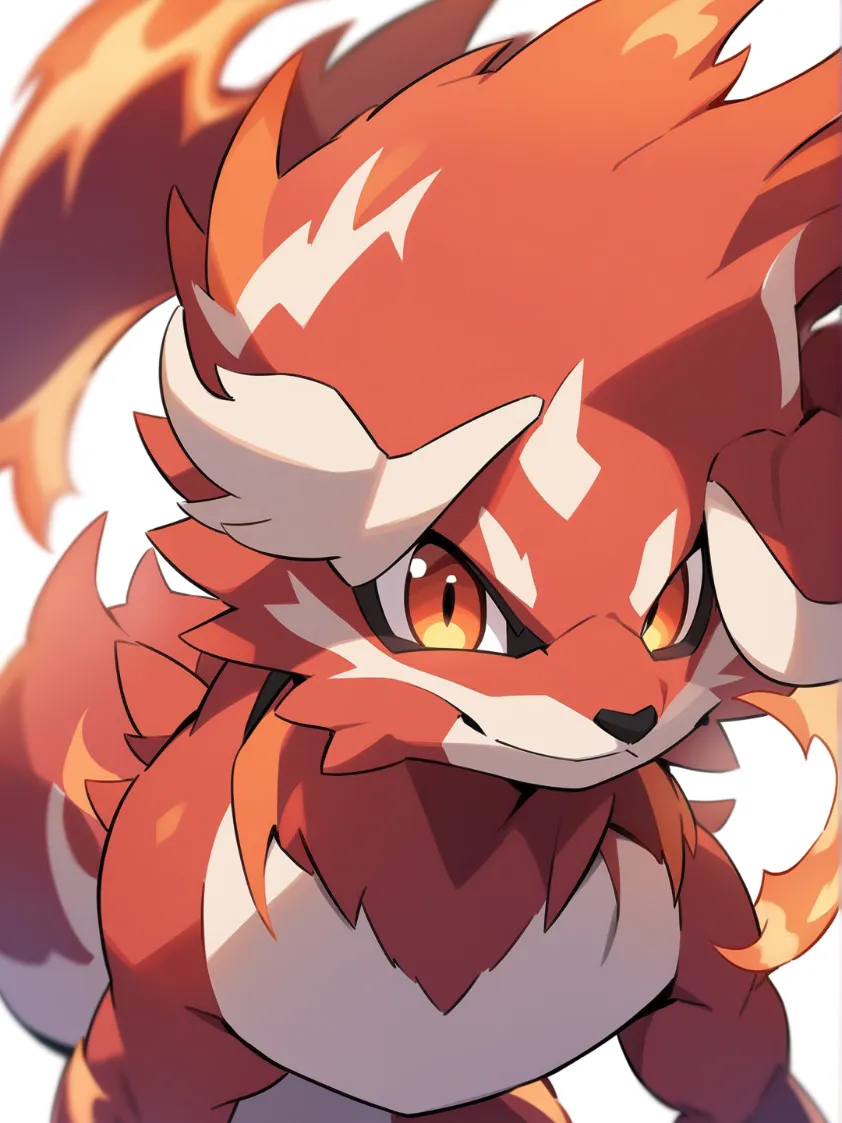
Strong Pokemon OC design comes from repeatable structure. When you define typing logic, body language, and motif consistency early, you get outputs that feel intentional rather than random.
Creative Challenges
Try these challenge briefs when you need fresh direction while keeping the same prompt framework.
- Design a dual-type cave dweller that stores bioluminescent spores and uses them as defensive smokescreen particles.
- Create a desert runner whose body plates open during heat peaks to vent fire energy and reveal magma-like veins.
- Imagine a marsh guardian that combines plant fibers and shell armor, with a posture that shifts between passive and battle states.
- Build a floating storm familiar that channels static through long ribbon-like tails and leaves ion trails when moving.
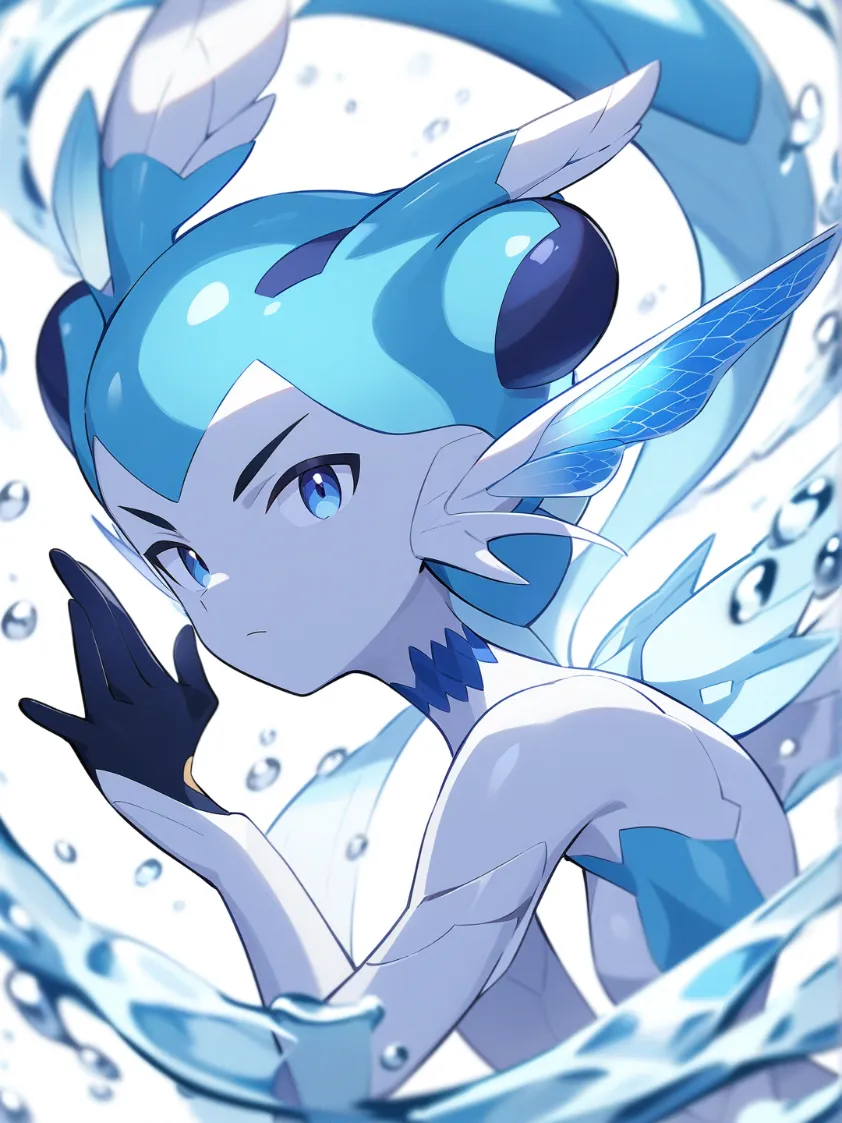
- Draft an arctic ambush predator with mirrored ice fins that refract light and distort its silhouette.
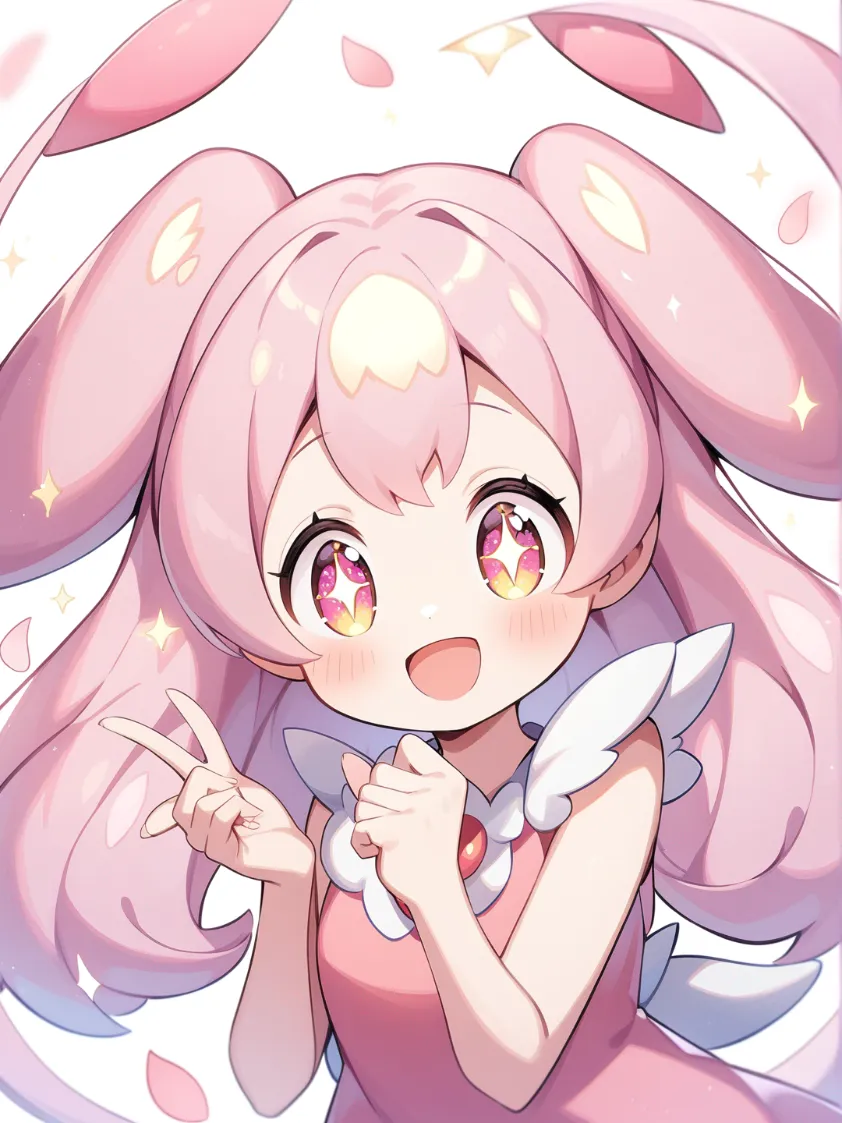
- Create a small fairy-type support creature whose petal wings release restorative dust when it performs a spin pose.
Prompt Tips for Cleaner Results
Anchor One Typing Direction: Start with one main type and one supporting motif. Too many mixed type signals usually blur the final identity.
Describe Silhouette First: Body shape and limb layout affect readability more than small texture details, so prioritize them in the first sentence.
Use Material Vocabulary: Words like fur, shell, scales, crystal, and bark improve structural clarity and reduce generic creature outputs.
Control Pose Intent: Pick one action cue such as hovering, charging, or crouching to avoid conflicting movement signals.
Iterate in Narrow Steps: Change one variable at a time so you can measure exactly what improved color balance, anatomy, and style fit.
Why Use Pokemon OC Maker
- Consistent Creature Identity: Structured prompts help preserve your concept across multiple generations and revisions.
- Fast Variant Exploration: You can test different types, materials, and motion cues without rewriting the whole prompt each time.
- Evolution-Line Friendly: The same template can branch into pre-evolution, evolved, and regional forms while keeping recognizable DNA.
- Better Reference Output: Clear framing and motif instructions produce images that are easier to reuse in stories, sheets, and worldbuilding docs.
Build a Reusable Creature Design System
Save your best prompt variants and evolve them in branches: pre-evolution, evolved form, regional variant, and battle form. This makes your concept library grow with consistent visual DNA.